When to Use 3PL vs. FBA for Seasonal Products
February 20, 2026
When to Use 3PL vs. FBA for Seasonal Products
A Strategic Guide for Amazon & eCommerce Brands
Seasonal products can make or break your year. Whether you sell holiday décor, summer beach accessories, back-to-school bundles, or Q4 giftable items, your fulfillment strategy directly impacts profitability, storage costs, sell-through rate, and customer experience.
One of the biggest operational decisions seasonal brands face is this: Should you use FBA or a 3PL for seasonal inventory?
The answer isn’t one-size-fits-all. In fact, the most profitable brands often use both.
This guide breaks down when to use FBA (Fulfillment by Amazon) versus a 3PL (Third-Party Logistics provider) for seasonal products—so you can protect margins, avoid long-term storage fees, and scale strategically.
Why Fulfillment Strategy Matters More for Seasonal Products
Seasonal inventory behaves differently than evergreen SKUs:
-
Demand spikes sharply, then drops
-
Inventory forecasting is harder
-
Storage fees compound quickly
-
Restock timing becomes critical
-
Overstock can kill margin
If you miscalculate inventory flow, you risk:
-
Long-term storage fees
-
Aged inventory penalties
-
Stockouts during peak demand
-
Heavy discounting after season ends
According to Amazon’s official guidance on inventory performance metrics (see Amazon’s documentation on the Inventory Performance Index), maintaining healthy sell-through is critical to avoid storage limits and excess fees.
That’s where understanding the difference between FBA and 3PL becomes powerful.
What Is FBA Best For?
FBA (Fulfillment by Amazon) means Amazon stores, picks, packs, and ships your inventory. It also qualifies products for Prime, which significantly impacts conversion rates.
For seasonal products, FBA is ideal when:
1. You Need Prime Badge for Peak Conversion
Prime dramatically increases conversion rates during seasonal spikes. Holiday shoppers prioritize speed and reliability, especially when purchasing gifts or time-sensitive items.
Seasonal keywords become more competitive during peak periods, and Prime eligibility often provides the edge needed to win the Buy Box and improve ranking.
2. Your Forecast Is Highly Accurate
If you have:
-
Two to three years of sales history
-
Reliable advertising performance data
-
Clear sell-through trends
Then sending larger quantities to FBA can make financial sense.
Accurate forecasting reduces the risk of aged inventory fees and unnecessary removal orders.
3. You Want to Maximize Ranking & Ad Efficiency
FBA often improves:
-
Buy Box share
-
Organic keyword ranking
-
Sponsored ad performance
For competitive seasonal search terms, fulfillment speed can directly influence visibility and conversion.
When a 3PL Is the Smarter Move
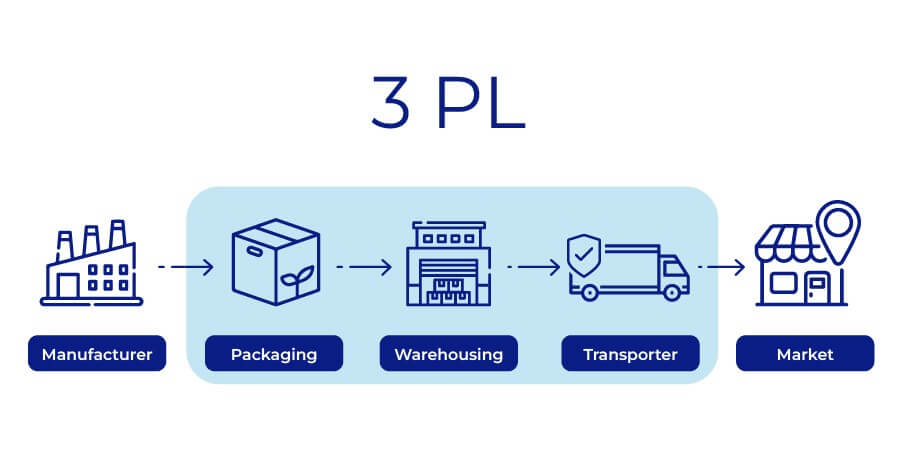
A 3PL (Third-Party Logistics provider) stores and ships inventory outside Amazon’s network. You then send inventory to Amazon as needed.
For seasonal sellers, this flexibility is often critical.
1. You’re Managing Inventory Risk
Seasonal products carry high overstock risk. If you send too much inventory to FBA and demand slows, you may face:
-
Long-term storage fees
-
Aged inventory surcharges
-
Removal and disposal costs
A 3PL allows you to:
-
Store bulk inventory at a lower cost
-
Replenish Amazon gradually
-
Reduce exposure to peak storage surcharges
This strategy protects margin while maintaining availability.
2. You Sell Across Multiple Channels
If you sell on:
-
Amazon
-
Walmart Marketplace
-
Shopify (DTC)
-
Faire
-
eBay
A 3PL enables centralized inventory management. Instead of overcommitting stock to Amazon, you can allocate units dynamically based on demand across channels.
This flexibility reduces dependency risk and improves cash flow control.
3. You’re Launching a New Seasonal SKU
New seasonal launches are inherently risky.
Instead of sending large quantities to FBA immediately, a smarter approach may be:
-
Store bulk inventory at a 3PL
-
Send a conservative quantity to FBA
-
Monitor early velocity
-
Replenish weekly as data confirms demand
This approach minimizes capital tied up in Amazon storage and lowers financial exposure.
Cost Comparison: FBA vs 3PL for Seasonal Products
Seasonal sellers should evaluate fulfillment costs strategically.
FBA Costs Include:
-
Fulfillment fees
-
Monthly storage fees
-
Peak season storage surcharges
-
Aged inventory fees
-
Removal and disposal costs
3PL Costs Include:
-
Storage fees (often lower per pallet)
-
Pick and pack fees
-
Freight to Amazon
-
Inbound handling charges
Key insight:
FBA is powerful for fast-moving seasonal products.
3PL protects you from overstock risk and storage penalties.
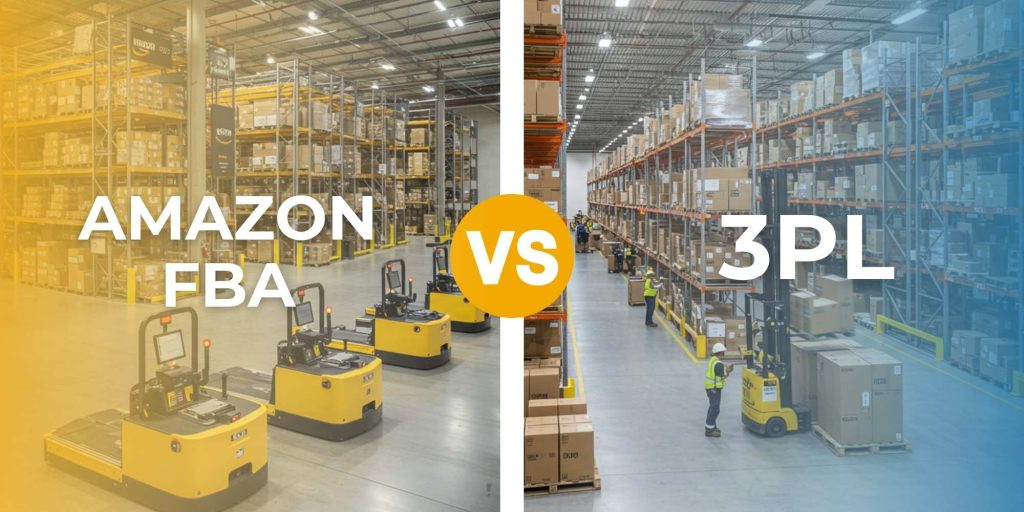
The most profitable brands use a hybrid model.
The Hybrid Strategy: How Smart Brands Win
High-performing seasonal brands rarely choose one fulfillment model exclusively.
Phase 1: Pre-Season (60–90 Days Before Peak)
-
Store bulk inventory at 3PL
-
Send conservative quantity to FBA
-
Monitor early demand trends
Phase 2: Peak Season
-
Increase FBA replenishment
-
Restock weekly from 3PL
-
Scale advertising strategically
-
Maintain Prime eligibility
Phase 3: Late-Season Wind Down
-
Stop FBA replenishment
-
Allow stock to sell through
-
Keep remaining units at 3PL
-
Redirect excess inventory to alternate channels
This structure reduces the risk of aged Q4 inventory while preserving margin.
Decision Framework: Should You Use FBA or 3PL?
Ask yourself:
-
How accurate is my seasonal forecast?
-
Can I tolerate long-term storage fees?
-
Do I sell on multiple channels?
-
What is my gross margin after fulfillment costs?
-
How quickly does this SKU typically sell?
If your gross margin is under 30%, aggressive FBA storage can be dangerous.
If your margin is strong (40% or higher), FBA’s Prime advantage may justify higher storage costs.
Common Mistakes Seasonal Sellers Make
Sending All Inventory to FBA Too Early
Storage fees accumulate before demand peaks.
Ignoring Peak Storage Increases
Q4 storage rates can significantly impact margin.
Overestimating Demand
Overconfidence in forecasting leads to aged inventory.
Underestimating Replenishment Timing
Freight delays can cause costly stockouts during peak weeks.
Advanced Tip: Model the Numbers Before You Decide
Before choosing your fulfillment strategy, calculate:
-
Expected sell-through rate
-
Days of inventory cover
-
Storage cost per unit
-
Replenishment lead time
-
Margin impact per fulfillment model
Brands that model scenarios with data consistently outperform those relying on intuition.
Final Thoughts: It’s Not FBA vs 3PL — It’s Strategy
Seasonal fulfillment isn’t about choosing sides.
It’s about:
-
Protecting margin
-
Reducing risk
-
Maximizing Prime exposure
-
Preserving cash flow
For many brands, seasonal revenue represents 30–60% of annual sales. That makes fulfillment strategy a core profitability lever—not just an operational detail.
The brands that win peak season aren’t reactive.
They’re prepared, strategic, and data-driven.