
Building a Brand Ecosystem Beyond Amazon
How to Diversify Revenue, Strengthen Brand Equity, and Reduce Marketplace Risk
For many sellers, Amazon is the launchpad. It offers scale, built-in traffic, and powerful fulfillment infrastructure through FBA. But building a long-term, defensible brand requires more than ranking for high-volume keywords. It requires creating a brand ecosystem—a strategic network of channels, assets, and customer touchpoints that work together to drive revenue, retention, and authority beyond a single marketplace.
If you’re serious about sustainable growth, higher margins, and long-term valuation, here’s how to build a brand ecosystem beyond Amazon.
Why You Can’t Rely on Amazon Alone
Amazon is an incredible acquisition engine. However, it is also:
Highly competitive
Fee-driven and margin-sensitive
Algorithm-dependent
Vulnerable to policy changes and listing suspensions
When your entire revenue stream depends on one channel, your business carries platform risk. Diversifying your eCommerce strategy reduces volatility while increasing lifetime customer value (LTV).
High-ranking search terms like “multi-channel eCommerce strategy,” “brand diversification,” “direct-to-consumer growth,” and “Amazon to DTC expansion” are not just SEO buzzwords—they represent a fundamental shift in how successful brands scale.
Step 1: Establish a Direct-to-Consumer (DTC) Website
Your website is your digital headquarters. Unlike Amazon, you own the data, customer relationship, and brand experience.
A well-optimized DTC store allows you to:
Capture customer emails and SMS subscribers
Launch new products without ranking delays
Improve margins by reducing marketplace fees
Retarget customers with personalized offers
Focus on:
Conversion-optimized product pages
Strong brand storytelling
Upsells, bundles, and subscription options
SEO-driven blog content targeting long-tail keywords
Keywords to target for organic growth include:
“Best
for…”“How to choose a…”
“Comparison guide for…”
Content marketing supports both your website traffic and Amazon authority. A strong content hub positions your brand as a category expert, not just a seller.
Step 2: Leverage Walmart Marketplace and Emerging Channels
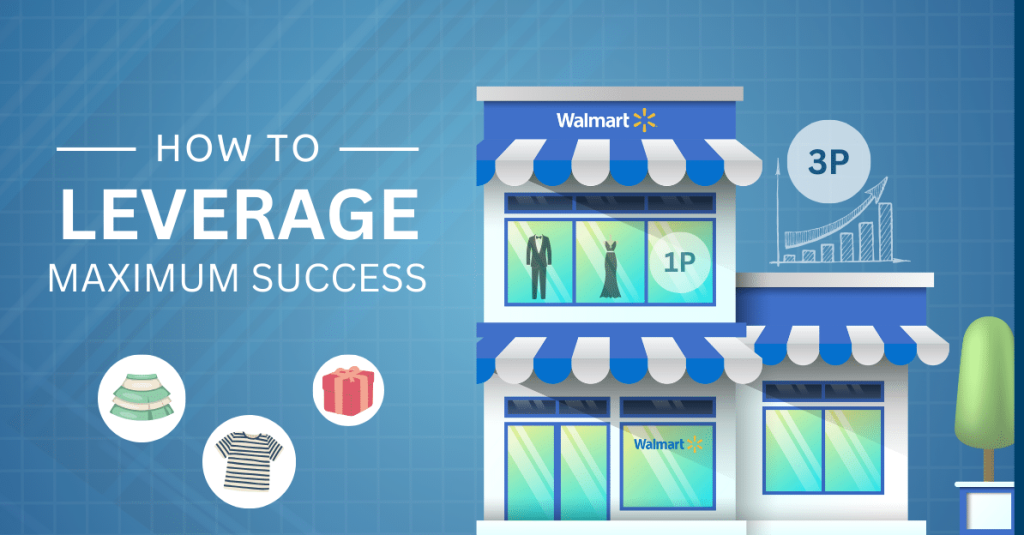
Expanding to Walmart Marketplace provides additional exposure with less saturation in many categories. Walmart’s growing online presence allows brands to capture a different demographic while diversifying risk.
Benefits include:
Lower competition in certain niches
Expanding fulfillment options
Cross-channel credibility
Beyond Walmart, consider:
Target Plus (curated brand positioning)
Faire (for wholesale growth)
Etsy (if design-driven or handmade)
eBay (for specific categories or liquidation strategies)
Multi-channel selling increases discoverability while strengthening your brand footprint across search engines.
Step 3: Build Owned Traffic Channels
Traffic is power—especially when you control it.
Owned traffic channels include:
Email marketing
SMS marketing
Blog content
Social media audiences
YouTube or TikTok content
Instead of depending entirely on Amazon PPC, develop:
Educational blog posts
Product comparison guides
“Best gift” roundups
Seasonal buying guides
This approach improves rankings for high-intent search terms while reducing paid advertising dependency.
An email list allows you to:
Launch new products profitably
Promote bundles
Drive repeat purchases
Protect revenue during ranking drops
Brands with strong owned audiences are significantly more resilient.
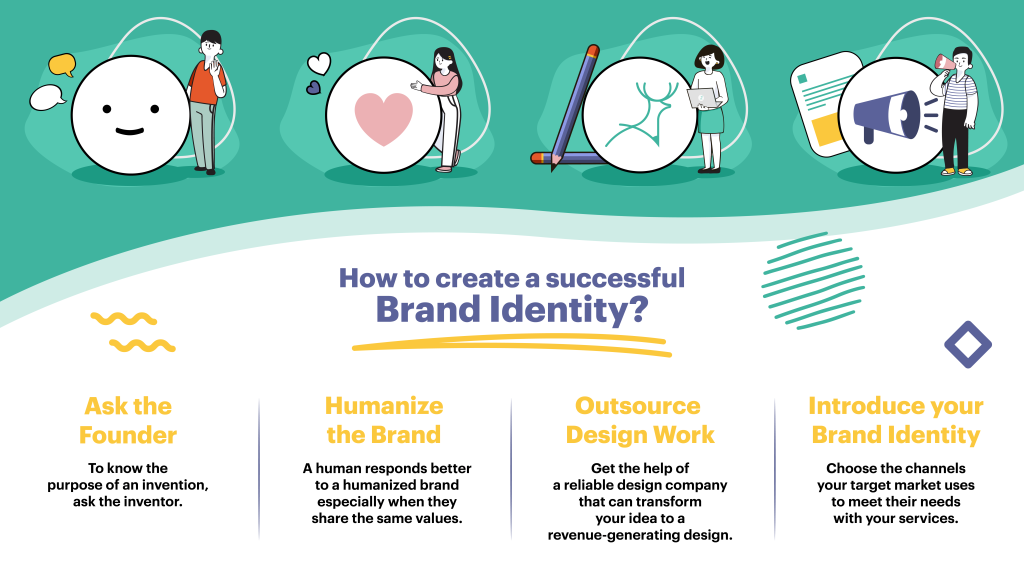
Step 4: Create a Cohesive Brand Identity Across Platforms
Your brand ecosystem should feel unified everywhere a customer encounters it.
Ensure consistency in:
Packaging
Visual identity
Tone of voice
Brand messaging
Core product benefits
Amazon listings should reflect your broader positioning strategy, not contradict it.
For example:
Your DTC site may emphasize storytelling.
Amazon PDPs should focus on conversion, keyword optimization, and trust signals.
Social media should humanize your brand.
Consistency strengthens brand recall and improves conversion rates across channels.
Step 5: Use Data to Inform Cross-Channel Growth
Your Amazon analytics are a goldmine.
Use data from:
Search term reports
Conversion rates
Customer reviews
A+ Content engagement
Advertising ACOS
Then apply those insights to:
Website SEO strategy
Product page optimization
Content marketing themes
Email campaign messaging
For example:
If customers frequently mention “sensitive skin” in reviews, that becomes a high-ranking SEO blog topic and a homepage headline.
Data-driven ecosystems outperform guesswork.
Step 6: Develop Wholesale and Strategic Partnerships
Wholesale expands brand presence without increasing ad spend.
Options include:
Boutique retailers
Subscription boxes
Corporate gifting partnerships
Influencer collaborations
Wholesale also improves brand legitimacy and increases off-Amazon demand—an important signal for long-term brand equity.
When Amazon sees strong external traffic and brand searches, your listings often benefit indirectly.
Step 7: Build Brand Authority Through Content and Education
Authority builds trust. Trust increases conversion.
Content strategies that support brand ecosystems include:
Expert guides
Video tutorials
Problem-solution articles
FAQ-driven blog posts
Comparison content
Target keywords such as:
“How to use…”
“Benefits of…”
“Best way to…”
This improves organic rankings while positioning your company as a thought leader in your niche.
Step 8: Protect and Strengthen Your Intellectual Property
A strong ecosystem also protects your brand.
Prioritize:
Trademark registration
Brand Registry enrollment
Clear MAP policies
Reseller monitoring
Trademark enforcement
When you expand beyond Amazon, your trademark and brand identity become even more critical. Ecosystems collapse when IP protection is weak.
The Long-Term Advantage: Valuation and Exit Potential
Brands that operate across multiple channels command higher valuations.
Why?
Because investors and buyers value:
Diversified revenue streams
Owned customer data
Repeat purchase systems
Strong brand equity
Reduced platform risk
A single-channel Amazon brand may be profitable.
A diversified brand ecosystem is scalable and defensible.
Final Thoughts: Amazon Is a Channel, Not the Business
Amazon should be one powerful pillar—not the entire structure.
The most successful modern brands:
Use Amazon for acquisition
Use DTC for margin and retention
Use content for authority
Use wholesale for expansion
Use owned traffic for protection
Building a brand ecosystem beyond Amazon is not optional for long-term growth. It’s strategic risk management and value creation combined.
If you want higher margins, stronger brand equity, and predictable revenue, start building beyond the marketplace.
Because real brands don’t live on platforms.
They build ecosystems.