A/B Testing Product Titles for Maximum Click-Through Rate: How to Optimize for Higher Sales
December 5, 2025
A/B Testing Product Titles for Maximum Click-Through Rate: How to Optimize for Higher Sales
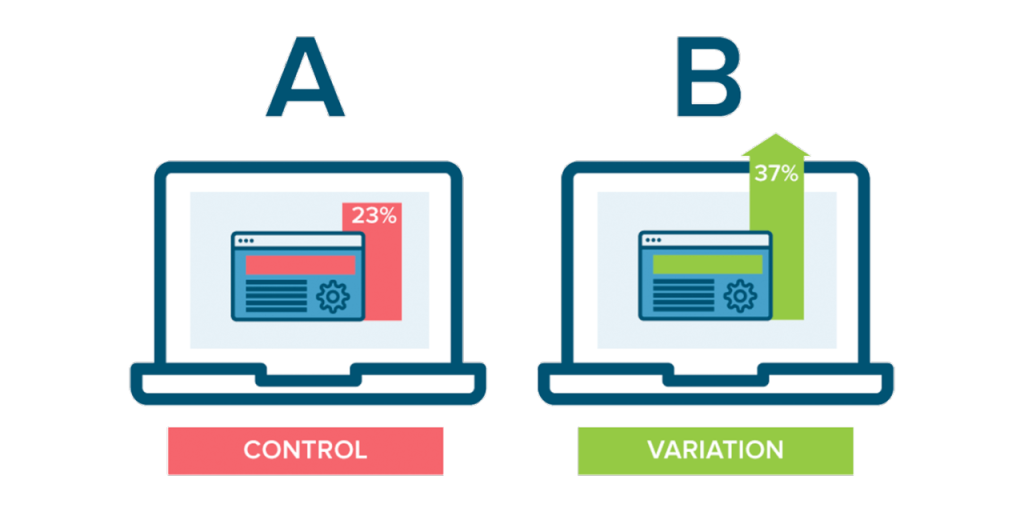
When it comes to winning more clicks—and ultimately more conversions—your product title is one of the most powerful assets on your Amazon detail page. A well-optimized title doesn’t just describe your product; it attracts, convinces, and compels shoppers to click before they even scroll. That’s where A/B testing (also known as split testing) becomes invaluable.
Whether you’re an established brand or an emerging seller, understanding how to A/B test product titles strategically can dramatically boost your click-through rate (CTR), drive traffic, and maximize both visibility and sales.
Why A/B Testing Product Titles Matters
Your product title is the first impression shoppers encounter. A small tweak—such as reordering keywords, adding benefits, or changing phrasing—can lead to surprisingly large performance shifts.
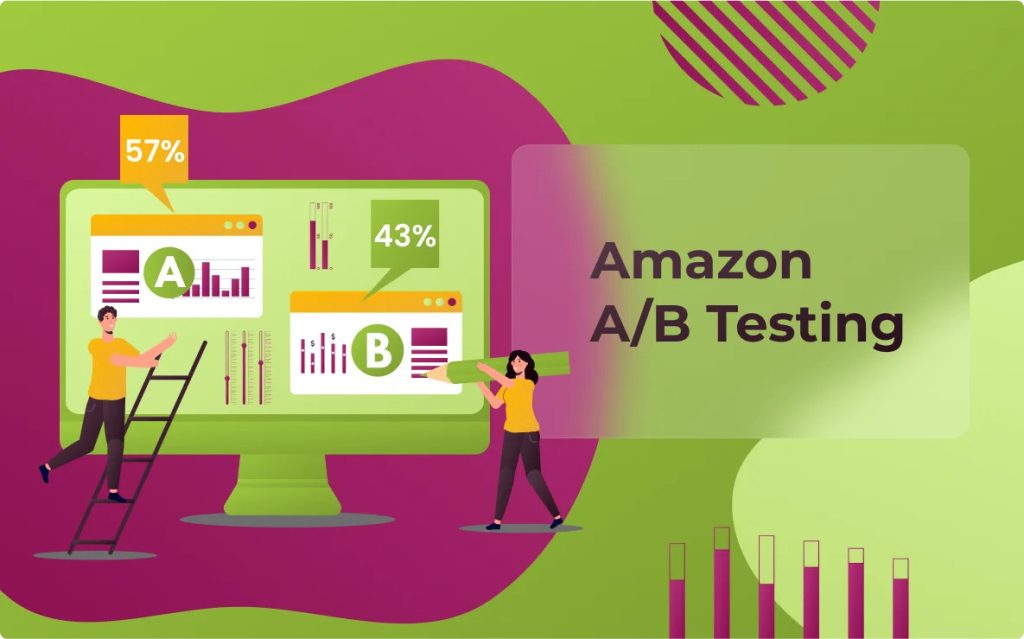
Platforms like Amazon Manage Your Experiments offer built-in A/B testing tools that let sellers measure how variations impact real shopper behavior. By comparing two versions of a title over time, sellers gain data-backed insights rather than relying on guesswork.
Even major ecommerce platforms emphasize optimization strategies for product pages, highlighting the importance of improving conversion rates and testing variations.
What Makes a High-CTR Amazon Product Title?
A strong product title usually includes:
Primary keyword placed naturally at the beginning
Clear product type so shoppers instantly know what they’re clicking
Key features or differentiators (scent, size, material, usage, etc.)
Compatibility or audience, when relevant
Readable structure without keyword stuffing
Amazon shoppers gravitate toward clarity and relevance, so each word in the title must serve a purpose. Split testing helps you pinpoint exactly which words matter most.
How to A/B Test Product Titles Effectively
1. Start With One Change at a Time
The biggest mistake sellers make is changing multiple elements at once. If both keyword placement and benefit statements are altered, you’ll have no clear way to measure what actually influenced the CTR change.
Split testing thrives on simplicity. Modify only one variable per experiment such as:
Keyword order
Size or quantity formatting
Addition or removal of a benefit
Tone (technical vs. lifestyle wording)
2. Use Data to Choose Your Test Variations
Rather than guessing which words to test, use keyword tools and customer insights. High-performing keywords from Amazon search term reports or Google data often give you strong clues.
Following best practices and guidelines on title optimization ensures your variations are effective and compliant.
3. Follow Amazon’s Best Practices and Style Guidelines
A/B testing doesn’t work if your variations violate basic title rules. Ensure both titles follow Amazon’s formatting standards:
Title case (capitalize the first letter of main words)
No promotional phrases (e.g., “Best,” “Top Rated,” “Free Shipping”)
No non-essential symbols or emojis
Use numerals instead of spelled-out numbers (e.g., “10 Pack” instead of “Ten Pack”)
Even retail marketplaces provide valuable formatting direction to help sellers maximize clarity and CTR.
4. Run Your Test for At Least 4–6 Weeks
Short tests don’t provide reliable results. Factors like shopping trends, price fluctuations, and seasonal demand can skew data if the timeline is too short.
A/B tests in Amazon’s experiments dashboard usually recommend a minimum duration of four to six weeks—this ensures:
Higher data accuracy
Reduced risk of false positives
More stable shopper behavior patterns
5. Analyze Performance Based on Specific Metrics
When test results are in, don’t just look at overall CTR. Review the deeper metrics that help you understand what changed:
CTR (Click-Through Rate) – Are shoppers more interested?
Detail Page Views – Did the new title attract more impressions?
Units Sold – Did clicks lead to conversions?
Sessions vs. Page Views – Did your title impact engagement quality?
Remember: A higher CTR is only valuable if conversions follow. Titles should attract qualified clicks, not random traffic.
Examples of Title Elements to Test
1. Keyword Placement
Version A: “Vitamin C Serum for Face – Anti-Aging, Brightening, 30ml”
Version B: “Anti-Aging Vitamin C Serum for Face – Brightening, 30ml”
2. Benefit vs. Feature Emphasis
Version A: “Stainless Steel Water Bottle – 24 Hours Cold, 12 Hours Hot”
Version B: “Insulated Stainless Steel Water Bottle – Leakproof, 24oz”
3. Target User Inclusion
Version A: “Lumbar Support Pillow for Office Chair”
Version B: “Office Chair Lumbar Support Pillow for Back Pain Relief”
4. Size and Attributes
Version A: “Organic Cotton Baby Swaddle – 2 Pack”
Version B: “Baby Swaddle Wraps – Organic Cotton, 2 Pack”
Tips to Maximize Your A/B Testing Success
Start with your best hypothesis. Use keyword data, competitor analysis, and customer FAQs as inspiration.
Keep titles readable. Clarity beats keyword stuffing every time.
Track external traffic influence. Ads, coupons, or seasonal trends can skew outcomes.
Iterate. Once a variation wins, test a new element. Continuous optimization compounds results over time.
Final Thoughts: Titles Are Your First Conversion Lever
In a marketplace where thousands of products compete on the same page, your product title can make or break your success. A/B testing removes assumptions and replaces them with actionable, data-driven insights that lead to higher click-through rates—and higher sales.
By applying disciplined testing, following marketplace guidelines, and leveraging high-ranking keywords, sellers can continuously refine titles to attract more qualified traffic and outperform competitors.