Building Urgency in Amazon Listings Without Price Slashing
December 18, 2025
Building Urgency in Amazon Listings Without Price Slashing
Price discounting is often the first lever sellers pull when sales slow—but it’s also one of the most damaging to long-term brand value. On Amazon, urgency doesn’t have to come from slashing prices. In fact, some of the strongest brands build demand, conversion momentum, and velocity without racing to the bottom.
This article breaks down proven, sustainable ways to build urgency in Amazon listings—methods that protect margins, strengthen brand equity, and improve conversion rate using Amazon’s ecosystem the right way.
Why Price Slashing Is the Wrong Default Strategy
Excessive discounting trains customers to wait, erodes perceived value, and compresses margins—especially once Amazon fees, ads, and returns are factored in. It also weakens your pricing power across other channels like DTC and wholesale.
Instead, high-performing brands focus on psychological urgency, availability signals, and decision clarity—all of which drive action without touching price.
1. Use Inventory Signals to Trigger Buyer Action
Scarcity is one of the strongest behavioral drivers in ecommerce, and Amazon already displays this data for you—if your listing is optimized to convert when it appears.
When customers see:
“Only X left in stock”
“Order soon to get it by…”
Limited delivery windows
…it creates natural urgency without a discount.
To maximize this effect:
Avoid overstocking slow SKUs that suppress urgency signals
Keep listings retail-ready so low inventory doesn’t look like instability
Maintain consistent FBA availability to prevent trust loss
Amazon’s own fulfillment model reinforces this urgency, especially when paired with Prime delivery expectations. For deeper insight into how inventory visibility impacts conversion, Amazon’s Seller Central documentation offers guidance on demand forecasting and stock health via Amazon Seller Central resources.
Urgency doesn’t always mean “act now.” Often, it means “this is clearly the right choice.”
Listings that convert quickly reduce friction and shorten the decision cycle—especially on mobile.
High-performing listings:
Lead with the primary buying reason (not the brand story)
Surface use cases, outcomes, or gifting intent immediately
Remove vague language and replace it with specificity
For example:
“Ideal Host Gift for Dinner Parties” converts faster than “Elegant Home Décor”
“Sensitive-Skin Friendly Formula” reduces hesitation more than ingredient lists alone
This aligns with ecommerce UX principles widely discussed in conversion research from platforms like Shopify, particularly around clarity-driven purchasing behavior.
3. Leverage Social Proof to Create Momentum
Social proof builds urgency by signaling popularity and validation, not discounts.
Key levers include:
Review volume (not just star rating)
Recent review cadence
Customer-submitted photos and videos
Strategies that work:
Enroll eligible SKUs in Amazon Vine to accelerate early reviews
Use post-purchase follow-ups (within Amazon TOS) to encourage feedback
Highlight real customer use cases in A+ Content
When buyers see others actively purchasing and reviewing, hesitation drops. This mirrors trust-building strategies used by large marketplaces like Walmart, where review freshness is a key conversion driver.
4. Use Amazon Promotions Strategically—Without Discount Addiction
Not all promotions are price slashing. The key is controlled visibility, not permanent markdowns.
Effective urgency-driven tools include:
Limited-time Lightning Deals for velocity spikes
Brand-Tailored Promotions for returning customers
Subscribe & Save messaging for replenishable products
These tools create time-bound decision windows without resetting your everyday price expectation.
Amazon’s promotional framework is designed to reward consistency and performance, not constant discounting. Understanding how to deploy these levers selectively is covered extensively in Amazon advertising and promotions documentation within Amazon Seller Central.
5. Strengthen Visuals to Reduce “I’ll Decide Later” Behavior
Poor images kill urgency faster than high prices.
Strong visual assets:
Answer objections before they’re formed
Show scale, use, and context immediately
Reduce the need for comparison shopping
High-converting listings typically include:
A clear, compliant main image
Infographics that explain benefits at a glance
Lifestyle images that reinforce ownership and use
This mirrors best practices used by top DTC brands highlighted in ecommerce conversion studies across platforms like Shopify, where visual clarity is directly tied to faster purchase decisions.
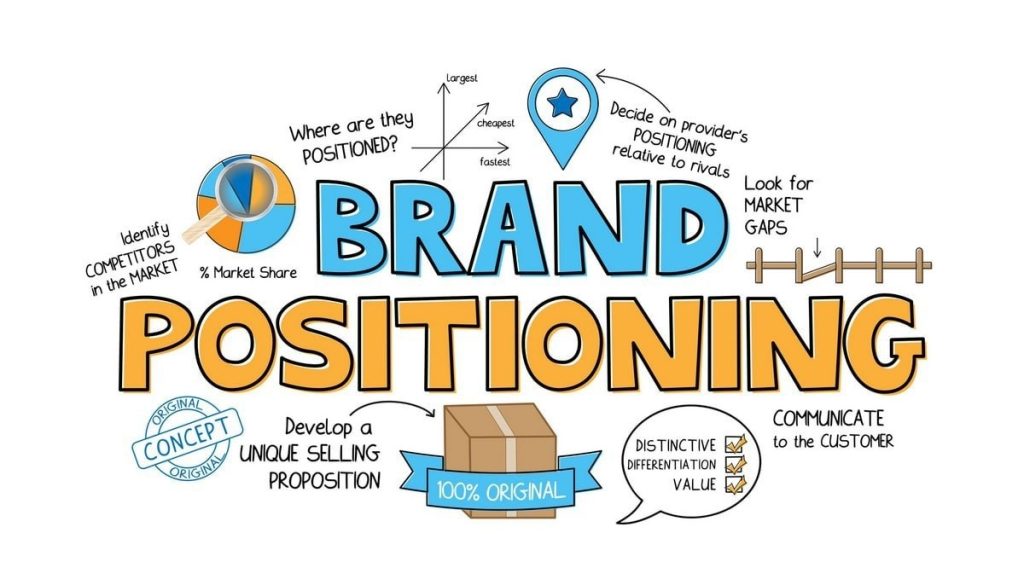
6. Align Urgency With Brand Positioning
Urgency should feel intentional, not desperate.
Luxury, giftable, or premium brands often build urgency through:
When urgency is aligned with brand story and customer intent, it feels natural—and converts better.
Final Thoughts: Sustainable Urgency Beats Short-Term Discounts
Building urgency on Amazon isn’t about lowering prices—it’s about removing hesitation.
Brands that win long-term:
Optimize clarity over cleverness
Use Amazon’s built-in signals strategically
Treat urgency as a conversion tool, not a pricing crutch
If your listings rely on discounts to convert, that’s often a signal—not a solution. The strongest Amazon brands create demand through structure, trust, and timing—while protecting margins and brand value.