How Lifestyle Images Boost Emotional Connection and Sales
December 12, 2025
How Lifestyle Images Boost Emotional Connection and Sales
In today’s competitive e‑commerce landscape, product photography isn’t just about clarity — it’s about connection. Lifestyle images — photos that show your product in real-life settings — have emerged as a powerful tool for building emotional bonds with customers and driving conversions. Below, we explore why they work, how they impact sales, and practical tips to leverage them effectively.
Why Lifestyle Images Matter
1. Build Emotional Connection
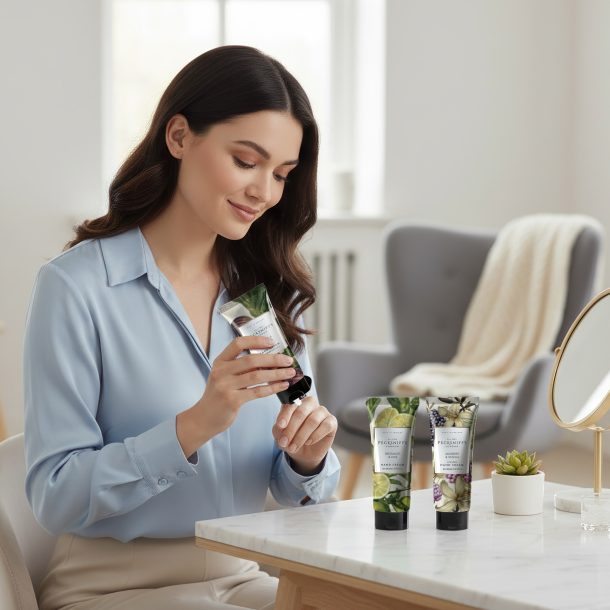
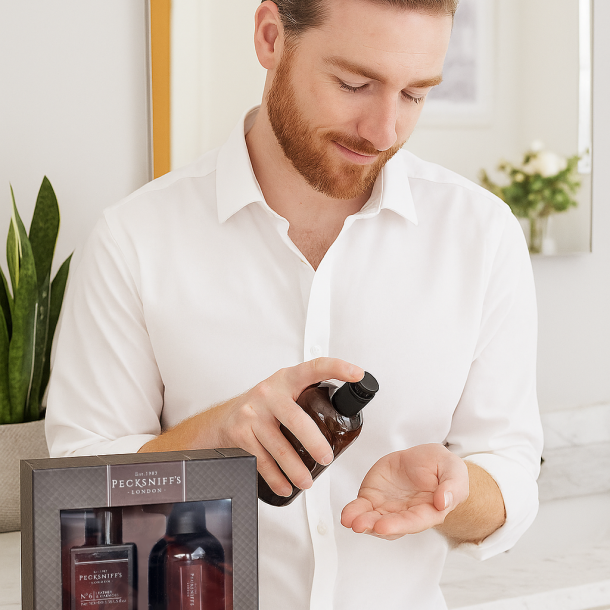
Humans are, first and foremost, emotional creatures. While logical product specs matter, emotions often dictate purchasing decisions. Lifestyle photography enables brands to evoke feelings — joy, trust, aspiration — by showing products in contexts that resonate with their audience. This emotional storytelling turns a commodity into a narrative, allowing potential buyers to imagine themselves using the product in their own lives.
2. Increase Relatability and Trust
When consumers see products in familiar or aspirational settings, they feel more confident about how those products will fit into their routine. Lifestyle images humanize your brand, reinforcing authenticity — something that professional imagery can help cement.
3. Showcase Functionality Without Hard Selling
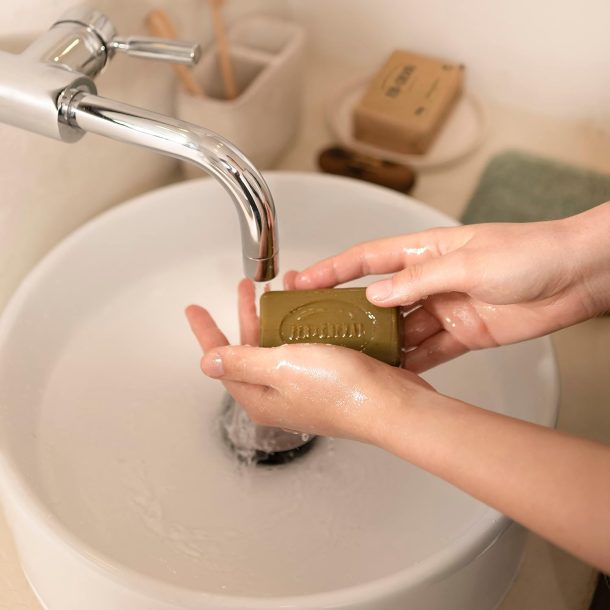
Instead of listing features in text, lifestyle photos demonstrate how a product works. For example, a kitchen appliance shown in a cozy family kitchen illustrates utility naturally. This subtle demonstration removes friction: consumers understand utility without feeling they’re being pitched aggressively.
4. Boost Engagement Across Channels
Lifestyle images shine on social media platforms like Instagram or Pinterest because they tell a story and evoke emotion. They also strengthen multi-channel marketing: the same lifestyle photos used on your product page can be repurposed for ads, email campaigns, or look-books — creating a consistent brand narrative.
5. Reduce Returns and Increase Conversion
High-quality, contextual images reduce buyer uncertainty. When customers clearly see how a product looks and functions in real life, they’re more likely to feel confident in their purchase — and less likely to return it. Investing in lifestyle photography has been linked to significant conversion uplifts across e-commerce.
Actionable Tips: How to Use Lifestyle Images Effectively
Putting together lifestyle photography isn’t just about snapping pretty pictures — there’s a strategic side to it. Here are some practical steps and considerations:
Understand Your Customer Persona
Map out your buyer personas: What are their daily routines, aspirations, pain points?
Use these insights to craft visual scenarios that resonate emotionally.
Choose the Right Settings & Props
Use real-life settings (home, office, outdoors) that match your customer’s context.
Select props that support storytelling rather than distract. The props should complement and enhance your product, not overshadow it.
Be Intentional with Color Psychology
Colors evoke emotions: blues can suggest trust, yellows optimism, greens calmness.
Align your color palette with the mood you want to convey in each image.
Feature Diverse Models and Scenarios
Reflect different ages, ethnicities, and lifestyles so more people feel represented.
Show how the product adapts across contexts — e.g., outdoor recreation, family life, solo routines.
Ensure Visual Quality & Consistency
Use high-resolution photography — you want crisp detail, especially for close-ups.
Maintain consistent lighting, framing, and image ratio across your lifestyle gallery to build brand cohesion.
Incorporate User-Generated Content (UGC)
Encourage happy customers to share photos of themselves using your products. Authentic UGC can be more relatable and compelling than curated shots.
Repost UGC on your product pages and social — it fosters community and deepens emotional trust.
Use A/B Testing to Optimize
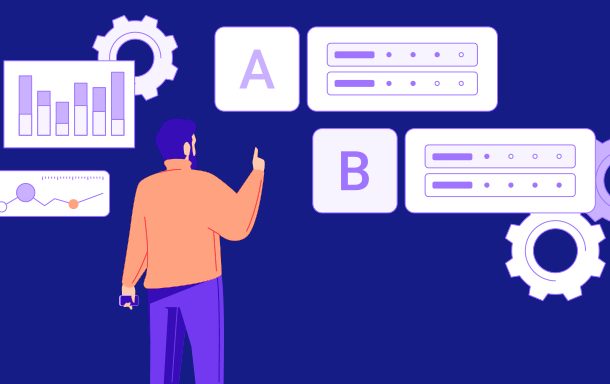
Not all lifestyle images perform equally. Run A/B tests on your Amazon or store listing: compare white-background shots vs. lifestyle shots, different settings, or different compositions.
Compress images to balance quality and page load speed — faster pages convert better.
Use descriptive, keyword-rich alt text for each lifestyle image. That helps with both accessibility and SEO.
Common Mistakes to Avoid
Overcomplicating the Scene: Adding too many props or overly stylized backgrounds can distract from the product.
Ignoring Amazon’s Image Requirements: Remember — on Amazon, your primary image generally needs a plain white background. Lifestyle images are best used as additional shots.
Neglecting Authenticity: Stock-photo-style lifestyle shots may feel staged. Real, relatable photos (especially UGC) often resonate more.
Skipping Testing: Many brands assume one “beautiful” image works best — but without A/B testing, you may be missing higher converting shots.
Measuring Success
To truly understand the impact of lifestyle images on your sales, track:
Conversion Rates: Compare before and after introducing lifestyle shots.
Bounce Rates / Time on Page: Lifestyle images can increase engagement, reducing bounce.
Return Rates: If returns drop after better contextual imagery, you know it’s helping set accurate expectations.
Social Engagement & UGC: Monitor shares, likes, and how frequently customers generate their own lifestyle content.
Conclusion
Lifestyle images are far more than a cosmetic upgrade — they’re a strategic investment in emotional storytelling. By placing your product in real-life, aspirational, or relatable contexts, you build trust, evoke emotion, and help customers imagine how your product fits into their lives. That emotional bridge often leads to higher engagement, stronger conversions, and lasting brand loyalty.