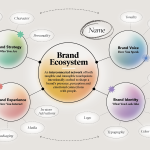
How to Maintain Brand Consistency Across Multiple Platforms
March 22, 2026
How to Maintain Brand Consistency Across Multiple Platforms
In today’s omnichannel marketplace, your brand doesn’t live in just one place. It exists on Amazon, Walmart, Shopify, social media, email campaigns, and even in post-purchase communication. If your messaging, visuals, and tone shift from one platform to another, customers notice — and not in a good way.
Brand consistency across multiple platforms is not just about aesthetics. It directly impacts brand recognition, conversion rate, customer trust, and long-term customer lifetime value. When executed correctly, it creates a seamless customer experience that builds loyalty and increases revenue.
This guide will walk you through actionable strategies to maintain brand consistency while optimizing for SEO, platform algorithms, and performance marketing goals.
Why Brand Consistency Matters for Ecommerce Growth
Strong brand consistency:
Increases customer trust and perceived authority
Improves conversion rates across marketplaces
Strengthens brand recall in competitive categories
Supports higher average order value
Enhances long-term customer retention
According to leading ecommerce platforms like Shopify and Amazon, cohesive brand presentation significantly influences buyer confidence. In crowded marketplaces, trust is currency — and consistency builds it.
When your Amazon listing, Walmart storefront, and direct-to-consumer website feel aligned, customers move through the buying journey without friction.
Define Your Core Brand Framework First
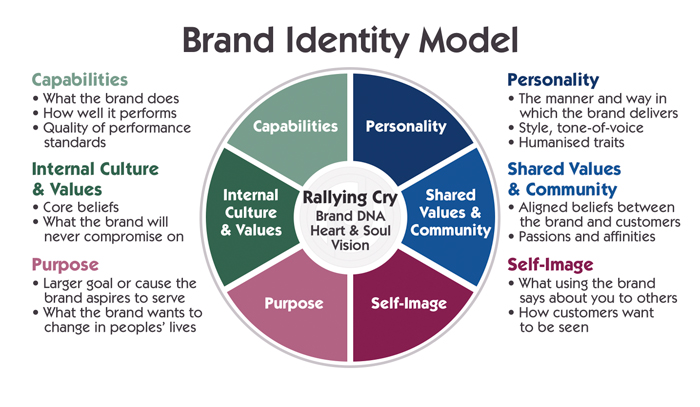
Before you worry about execution, you must define your brand foundation.
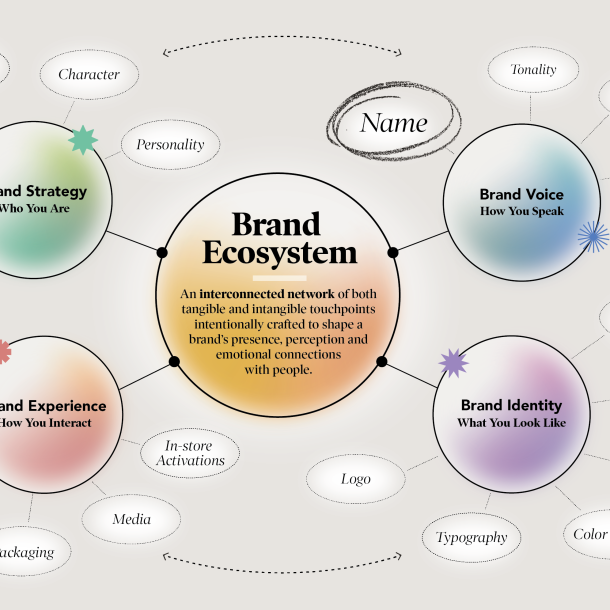
Your core brand framework should include:
1. Brand Voice
Is your brand authoritative? Playful? Educational? Luxurious? Your tone should remain consistent across product listings, emails, blog content, and social captions.
2. Visual Identity
Logo placement rules
Color palette
Typography
Photography style
Infographic structure
Marketplace SEO may change from platform to platform, but your visual identity should not.
3. Core Messaging Pillars
What are your 3–5 recurring themes? For example:
Sustainability
Luxury craftsmanship
Performance-driven design
Family-friendly functionality
These pillars should appear in your Amazon A+ Content, Walmart product descriptions, Shopify homepage, and paid advertising copy.
Optimize for Platform Algorithms Without Diluting the Brand
Each marketplace has unique ranking factors and SEO requirements. Amazon SEO focuses heavily on keyword relevance and backend search terms. Walmart SEO prioritizes structured data and performance metrics. Shopify allows deeper content marketing and blog-driven organic traffic.
The key is adapting structure — not voice.
For example:
On Amazon, prioritize high-ranking keywords like “premium body butter,” “long-lasting fragrance,” or “natural deodorant for men and women.”
On Shopify, expand into long-tail keywords such as “how to choose the best natural deodorant for sensitive skin.”
On Walmart, maintain concise, benefit-driven descriptions while preserving brand tone.
Consistency does not mean identical copy. It means aligned messaging adapted strategically for each platform’s search algorithm.
Standardize Your Visual Content Across Marketplaces
Visual brand consistency is often overlooked in multi-channel selling.
To maintain alignment:
Use the same lifestyle photography aesthetic
Apply consistent infographic layouts
Keep product angle and lighting uniform
Maintain logo placement standards
Align packaging imagery across channels
If your Amazon main image looks clinical and your Shopify images feel whimsical, the disconnect weakens brand authority.
Create a centralized brand asset library so your team and VAs pull from the same approved images, icons, and templates.
Align Your Customer Experience Beyond the Product Page
Brand consistency extends past product listings.
Consider:
Packaging inserts
Follow-up emails
Customer service tone
Social media responses
Post-purchase flows
If your product positioning emphasizes luxury but your customer service emails feel transactional and cold, you create friction.
Strong brands ensure that:
Support responses reflect brand voice
Return policies align with brand positioning
Messaging remains cohesive from discovery to delivery
This alignment builds long-term brand equity.
Use SOPs to Protect Brand Integrity
As businesses scale, inconsistencies usually arise from delegation.
Develop Standard Operating Procedures (SOPs) that include:
Approved brand messaging examples
SEO keyword guidelines per platform
Design templates for infographics
Image formatting requirements
Content tone guidelines
When your internal team, freelancers, or agencies create content, they should operate from the same documented framework.
Without structure, brand dilution happens quickly — especially when managing Amazon, Walmart, and Shopify simultaneously.
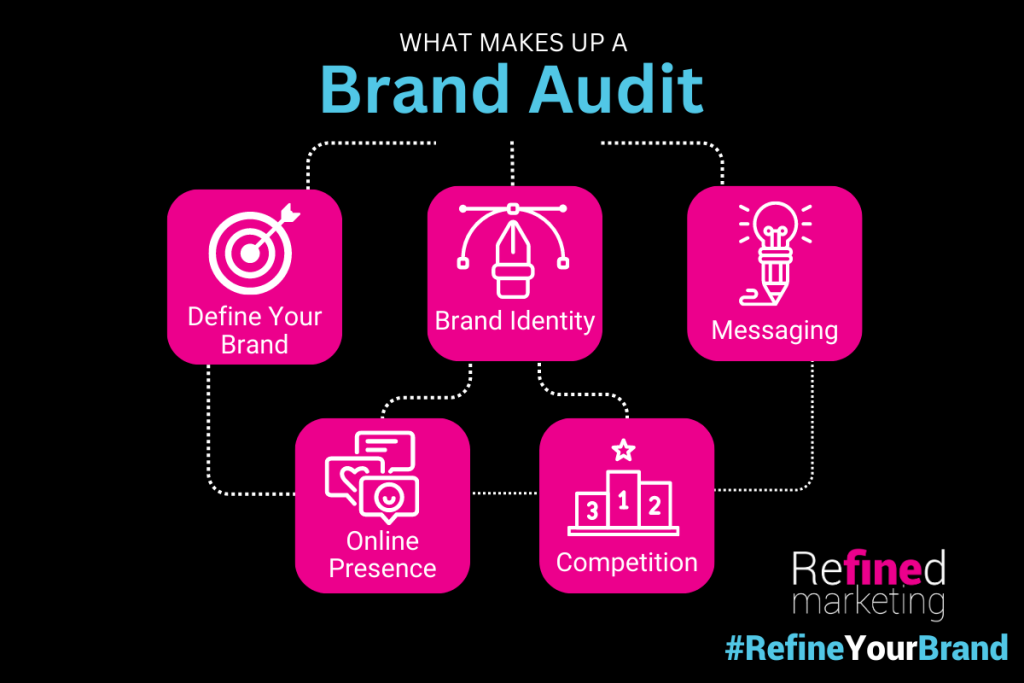
Audit Your Brand Quarterly
Brand consistency requires maintenance.
Conduct a quarterly audit to review:
Product titles and bullet points
A+ Content modules
Walmart product descriptions
Website copy
Email campaigns
Social media messaging
Ask yourself:
Does everything sound like it came from the same brand?
Are our value propositions clear and repeated consistently?
Has keyword optimization shifted our tone too far?
SEO is important — but never at the cost of brand clarity.