How to Structure PPC Campaigns for Seasonal Products
October 27, 2025
How to Structure PPC Campaigns for Seasonal Products (and Actually Win the Season)
Seasonal products don’t behave like evergreen SKUs — your demand curve spikes sharply, the competition intensifies, and advertising lag time matters. The brands that win seasonal peaks don’t simply “turn ads on.” They structure campaigns intentionally so they rank early, warm the pixel ahead of the surge, and stay visible through the period when shoppers are still comparing.
This guide breaks down how to architect PPC campaigns for seasonal inventory to capture momentum early, hold ranking during the peak, and convert repeat buyers before demand drops again.
Why Seasonal PPC Needs a Different Strategy
Seasonal traffic is time-sensitive and velocity-driven. Visibility earned early carries downstream ranking benefits once competition spikes. Unlike evergreen PPC, seasonal strategy requires:
Evergreen Style
Seasonal Style
Always-on consistency
Front-loaded acceleration
Slow optimization cycles
Condensed testing windows
Stable conversion rate
Sharp peaks in CTR/CVR
Balanced ACoS priority
Aggressive TACoS growth sprint
To get ahead, campaigns must be structured in advance and staged to collect signal before conversions peak.
Step 1: Start With a Seasonal Timeline
Search volume doesn’t flip “on” overnight — it ramps. Running auto and broad match early allows Amazon’s system to learn which searches convert before CPCs rise.
Ideal campaign calendar:
4–6 weeks prior:
Launch discovery campaigns (Auto + Broad)
Collect converting search terms
Build initial retargeting audiences
2–3 weeks prior:
Build exact campaigns from most efficient search terms
Launch seasonal ASIN retargeting
7–10 days before peak:
Increase bids & budgets
Activate product display and cross-promotion
Peak week(s):
Maintain impression share
Protect ranking with Sponsored Products + Sponsored Brands
Monitor daily to avoid under-delivery
Step 2: Use a Tiered Campaign Structure
Structure campaigns by intent level, not just keyword match type.
Tier
Goal
Tactic
Campaign Types
Top of Funnel
Visibility before season
Discovery
Auto + Broad
Mid Funnel
Conversion during ramp
Harvesting
Phrase + Exact
Bottom Funnel
Ranking protection
Defense
Branded + ASIN targeting
Loyalty
Repeat purchase
Retargeting
Sponsored Display DSP
This aligns with Amazon’s own PPC recommendations and reinforces Amazon’s “flywheel effect” outlined in their Advertising Certification library.
Step 3: Bid Strategy for Seasonal Velocity
During peak windows, waiting for perfect ACoS kills rank momentum. Your goal early is signal strength, not efficiency.
Recommended bidding sequence:
Launch broad/auto — low-to-mid bids to gather term data
Shift converting terms — into separate exact campaigns
Increase bids — on top 20% of high-intent terms
Use fixed bidding during peak for ranking predictability
After the surge → switch to down-only or rules-based efficiency
Broad match → velocity Exact match → profitability and rank control
Step 4: Pre-Season Keyword Research (the Right Way)
Seasonal keywords often have multiple timing segments: pre-season buyers, gift buyers, last-minute buyers, late bloomers.
Include high-intent variants like:
“Best ___ gift”
“Holiday ___”
“2025 ___ season”
“[occasion] ideas”
Color/style variants tied to the seasonal mood
Bundles / gifting / limited edition terms
You can see how successful DTC brands structure variants by looking at this example from Shopify on keyword segmentation and urgency-based intent.
Step 5: Add Seasonal Bundles or Variations
Seasonal shoppers love perceived “special” versions of familiar products. Bundles also lift average order value and SERP footprint.
Examples that outperform:
Gift bundle versions
Colorways tied to holiday palettes
Limited scent/flavor release
Variety multipacks
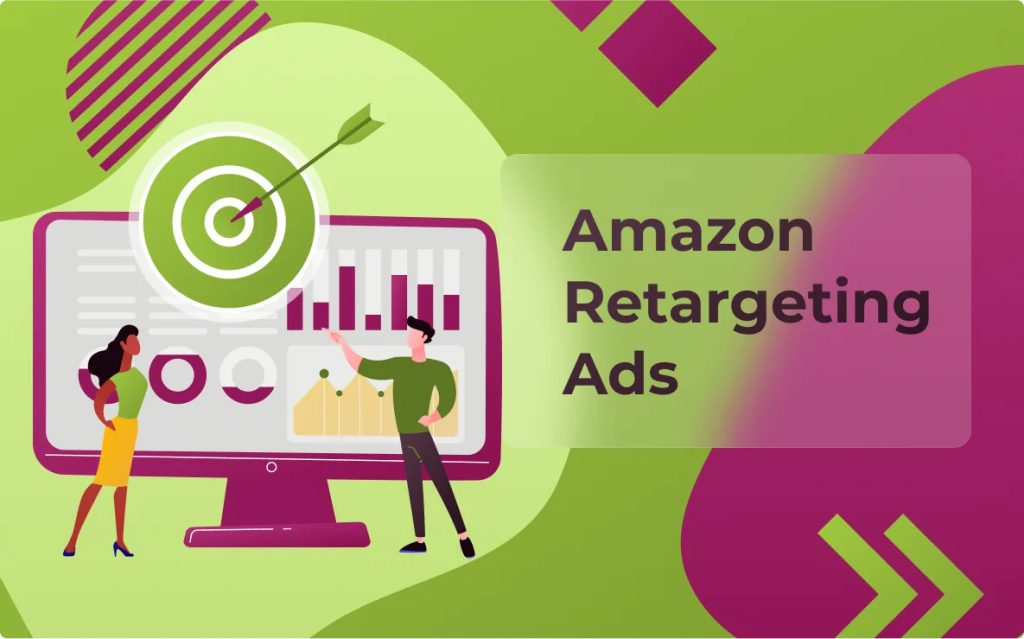
Step 6: Retargeting — What Most Sellers Miss
Seasonal shoppers often browse multiple listings before choosing. This is where retargeting is the difference between traffic and money.
Best-performing retargeting units:
Sponsored Display “views remarketing”
Brand defensive retargeting
Cross-ASIN seasonal upsell
DSP ramps this further, creating branded halo demand into future cycles.
Step 7: Protect the Win Post-Season
After the seasonal spike, don’t turn off ads immediately. Lower bids gradually and continue retargeting because late-season buyers research during the peak and check out later.
The goal: turn seasonal exposure into off-season discoverability.