How to Use Amazon Restock Recommendations Without Overbuying
Amazon’s Restock Recommendations can be a powerful planning tool — or a fast track to excess inventory, cash-flow strain, and long-term storage fees. Many sellers treat Amazon’s suggestions as instructions rather than inputs, and that’s where overbuying starts.
In this guide, you’ll learn how to use Restock Recommendations strategically, not blindly — so you stay in stock without tying up cash or warehouse space unnecessarily.
What Amazon Restock Recommendations Actually Are (and Aren’t)
Amazon Restock Recommendations are algorithmic estimates, not forecasts built around your business goals. They are generated based on:
Recent sales velocity
Lead time assumptions
Amazon’s preferred in-stock rate
Network-wide fulfillment efficiency
What they do not account for:
Your cash position
Seasonality outside recent trends
Supplier minimums or price breaks
Marketing changes, promotions, or pricing adjustments

Channel diversification (Walmart, Shopify, wholesale, etc.)
Amazon’s priority is availability, not profitability.
Why Sellers Overbuy When Following Restock Recommendations
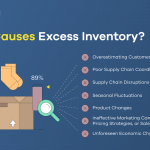
Overbuying typically happens when sellers:
Assume Amazon’s data is more accurate than their own
Don’t adjust for seasonality or sales volatility
Ignore inventory already in transit or reserved
Fail to factor in storage and aging fees
Treat every SKU equally instead of by contribution margin
Excess inventory is one of the most common causes of margin erosion due to long-term storage fees, forced discounting, and poor cash utilization.
Step 1: Separate Demand Signals From Buy Quantities
Restock Recommendations are best used as demand signals, not purchase orders.
Instead of asking:
“How much does Amazon want me to send?”
Ask:
“What does this tell me about current sales momentum?”
Key metrics to cross-check before buying:
Trailing 30-, 60-, and 90-day sales
Sell-through rate
Weeks of cover already on hand
Inbound inventory (including prep centers or overseas freight)
Amazon’s recommendation often assumes zero inbound stock, which can dramatically inflate suggested quantities.
Step 2: Apply a “Reality Multiplier” to Amazon’s Numbers
A simple way to avoid overbuying is to discount Amazon’s recommended quantity based on SKU behavior.
Example multipliers:
Stable, evergreen SKU: 60–75% of recommendation
Seasonal or giftable SKU: 30–50%
Volatile or trend-driven SKU: 20–40%
New or recently optimized listing: Manual review only
This keeps inventory aligned with actual risk rather than theoretical demand.
Step 3: Look at Inventory Age, Not Just Units
Amazon does not weigh inventory age heavily enough in restock prompts.
Before reordering, review:
Units aged 90+ days
Units aged 180+ days
SKUs approaching long-term storage thresholds
If you’re holding slow-moving inventory, adding more units — even at Amazon’s suggestion — compounds financial risk.
Step 4: Segment SKUs by Role, Not Rank
Not every SKU serves the same purpose in your catalog.
Create simple inventory tiers:
Core Revenue Drivers – High margin, consistent velocity
Support SKUs – Variations that support a parent listing
Seasonal or Promotional SKUs – Time-bound demand
Experimental or Long-Tail SKUs – Low velocity but strategic
Only Core Revenue Drivers should come close to Amazon’s full restock recommendation. Everything else requires tighter controls.
Step 5: Use Shorter Reorder Cycles to Protect Cash
One of the biggest overbuying mistakes is chasing bulk discounts or “just in case” inventory.
Instead:
Shorten reorder windows (30–45 days vs. 90+)
Accept slightly higher unit costs in exchange for liquidity
Reinvest freed-up cash into advertising, creative, or testing
Modern inventory strategy favors cash velocity over warehouse volume.
Step 6: Build Your Own Restock Model (Even a Simple One)
You don’t need advanced software to outperform Amazon’s logic.
At minimum, track:
Monthly unit sales by SKU
Average lead time
Desired weeks of cover
Safety stock based on volatility, not fear
Even a basic spreadsheet model often produces lower buy quantities with higher profitability than Amazon’s recommendations.
When Amazon Restock Recommendations Are Useful
They are most valuable when:
Identifying sudden changes in sales velocity
Catching potential stock-out risks early
Validating demand trends (not quantities)
Supporting replenishment discussions with suppliers
Think of them as alerts, not answers.
Final Thought: Inventory Is a Financial Decision, Not an Operational One
Restock Recommendations are designed to keep Amazon’s shelves full — not your balance sheet healthy.
Sellers who scale profitably treat inventory as:
A working capital investment
A risk management exercise
A strategic lever, not a system default
Used correctly, Amazon’s data can guide smart decisions. Used blindly, it creates expensive ones.