Leveraging Storytelling to Sell High-Value Products
February 16, 2026
Leveraging Storytelling to Sell High-Value Products
Selling high-value products on Amazon or any eCommerce platform requires more than optimized keywords and competitive pricing. When customers are asked to invest more, they need more than features—they need confidence, connection, and clarity. That is where strategic storytelling becomes one of the most powerful conversion tools in modern eCommerce marketing.
In competitive marketplaces where dozens of similar listings compete side by side, brand storytelling differentiates premium products, builds trust, and justifies higher price points. When executed correctly, storytelling increases conversion rates, strengthens brand loyalty, and reduces price sensitivity.
This article breaks down how to leverage storytelling to sell high-ticket items online—while maintaining strong SEO performance and measurable ROI.
Why Storytelling Drives High-Value Sales
High-value products require:
Higher emotional investment
Greater trust in the brand
Stronger perceived value
Clear differentiation
Customers purchasing premium skincare, luxury home décor, custom products, or specialty food items are not simply comparing price—they are evaluating experience, identity, and credibility.
Storytelling bridges the gap between rational decision-making and emotional commitment. It answers unspoken questions:
Why does this product exist?
Who is it made for?
What transformation does it offer?
Why is it worth more?
When you answer those questions effectively, price becomes secondary.
The Psychology Behind Premium Product Storytelling
Successful storytelling in eCommerce aligns with buyer psychology. Premium buyers are driven by:
Identity alignment (“This brand reflects me.”)
Aspirational positioning
Emotional resonance
Social proof
Perceived craftsmanship or expertise
Instead of focusing only on specifications, storytelling frames the product within a larger narrative:
From: “This is a 100% soy candle in a porcelain vessel.” To: “Hand-poured in small batches, this porcelain candle elevates your evenings with a refined glow and a fragrance inspired by fresh hydrangea blooms.”
The second version builds imagery, atmosphere, and value.
How to Structure Storytelling for Amazon Listings
On Amazon, storytelling must coexist with SEO optimization and platform compliance. You need to balance emotional language with high-ranking keywords such as:
Premium quality
Luxury gift
High-end home décor
Professional-grade
Artisan crafted
Limited edition
Handmade
Long-lasting
Durable design
1. Start With the Origin Story
Every high-value product should have a reason for existing.
Ask:
What problem triggered its creation?
What gap in the market did you see?
What expertise went into its development?
Keep it concise but meaningful. Customers connect deeply with founder-driven brands and intentional craftsmanship.
2. Paint the Transformation
Premium products sell outcomes, not objects.
Instead of listing features, highlight transformation:
How does it improve daily life?
What experience does it create?
What frustration does it eliminate?
For example:
A high-end kitchen tool becomes “the upgrade that makes entertaining effortless.”
A specialty deodorant becomes “confidence that lasts through long days and active moments.”
A handcrafted napkin becomes “a detail that transforms a simple gathering into a refined occasion.”
Transformation sells.
3. Use Visual Storytelling in A+ Content
On Amazon, A+ Content is your storytelling canvas.
Effective premium storytelling includes:
Lifestyle imagery
Brand mission statements
Before-and-after comparisons
Ingredient sourcing stories
Craftsmanship explanations
Use-case scenarios
High-value buyers want to visualize ownership. They want to see themselves using the product.
Visual storytelling reinforces perceived value and increases dwell time, which can positively influence conversion rates.
Integrating SEO Without Losing Emotion
Many brands make the mistake of keyword stuffing, which damages both readability and trust. Instead:
Incorporate keywords naturally into narrative sentences.
Use semantic variations (luxury home fragrance, premium candle gift, artisan soy wax candle).
Optimize titles and backend search terms separately.
Keep storytelling focused in bullets and A+ sections.
Remember: SEO brings traffic. Storytelling converts it.
Positioning Strategy: Elevate, Don’t Defend
High-value products should never sound defensive about price.
Avoid phrases that justify cost. Instead, reinforce value through:
Craftsmanship language
Limited availability
Quality ingredients
Superior durability
Attention to detail
Customer testimonials
For example:
Not: “Although priced higher, this product offers better quality.” Instead: “Crafted from premium materials selected for longevity and performance.”
Confidence communicates value.
Storytelling Across Channels for Brand Consistency
If you sell on Amazon, Walmart, Shopify, or your own website, consistency matters.
Your brand story should align across:
Product listings
Storefronts
Social media
Email marketing
Packaging
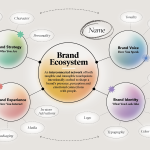
Premium brands build ecosystems, not isolated listings. When storytelling remains consistent, brand recall strengthens, and customers are more likely to purchase again.
Advanced Tactics for High-Ticket Conversions
To maximize impact, combine storytelling with data-driven strategies:
Use Social Proof Narratives
Highlight real customer stories that reinforce product transformation.
Leverage Authority Positioning
Mention industry experience, awards, certifications, or years of expertise.
Create Scarcity Thoughtfully
Limited editions and seasonal drops enhance perceived exclusivity.
Highlight Craft and Process
Show how the product is made. Behind-the-scenes storytelling increases authenticity and perceived craftsmanship.
Measuring the Impact of Storytelling
Premium storytelling is not abstract—it is measurable.
Track:
Conversion rate
Average order value
Repeat purchase rate
Time on page
A+ content engagement
Brand search volume
If your storytelling resonates, you will see improvements in:
Reduced price sensitivity
Stronger review sentiment
Higher brand loyalty
Common Mistakes to Avoid
Overloading with adjectives and no substance
Ignoring SEO entirely
Copying competitor positioning
Focusing only on features
Inconsistent brand voice across platforms
Storytelling must be strategic, not decorative.
Final Thoughts: Premium Products Deserve Premium Narratives
In crowded marketplaces, features compete. Stories connect.
High-value products require:
Clear positioning
Emotional resonance
Visual storytelling
Strong SEO integration
Confident brand voice
When done correctly, storytelling transforms your listing from a commodity to a brand experience. It shifts the conversation from price comparison to value recognition.
If you are selling premium products and relying only on optimization tactics without narrative strategy, you are leaving conversions on the table.
Storytelling is not fluff—it is one of the most powerful profit drivers in modern eCommerce.
Short Excerpt for Homepage or Archive Preview
Selling high-value products requires more than great features—it demands connection, trust, and strategic storytelling. In this comprehensive guide, discover how to use brand narratives, emotional positioning, SEO optimization, and visual storytelling to increase conversions, elevate perceived value, and build long-term customer loyalty across Amazon and multi-channel platforms.