Setting Up Backup Fulfillment Channels to Prevent Stockouts
January 21, 2026
Setting Up Backup Fulfillment Channels to Prevent Stockouts
Stockouts are one of the fastest ways to lose momentum in ecommerce. Beyond the immediate loss of sales, running out of inventory can damage organic rankings, interrupt advertising performance, and send customers directly to competitors. For brands focused on sustainable growth, setting up backup fulfillment channels is no longer optional—it is a critical part of risk management.
This article explains how to build resilient, multi-channel fulfillment systems that protect revenue, preserve marketplace visibility, and maintain customer trust when disruptions occur.
Why Stockouts Are So Costly for Ecommerce Brands
Stockouts don’t simply pause sales; they create compounding problems across your entire operation. When inventory becomes unavailable, brands often experience loss of Buy Box eligibility, declining keyword rankings, wasted ad spend, and lower conversion rates when listings return.
From a long-term perspective, repeated stockouts train marketplaces to deprioritize your products. Algorithms favor consistency, velocity, and reliability. If inventory availability becomes unpredictable, recovery can take weeks or even months.
Core Fulfillment Models Every Brand Should Understand
Before building redundancy, brands need a clear understanding of the fulfillment options available and how they work together.
Fulfillment by Amazon (FBA)
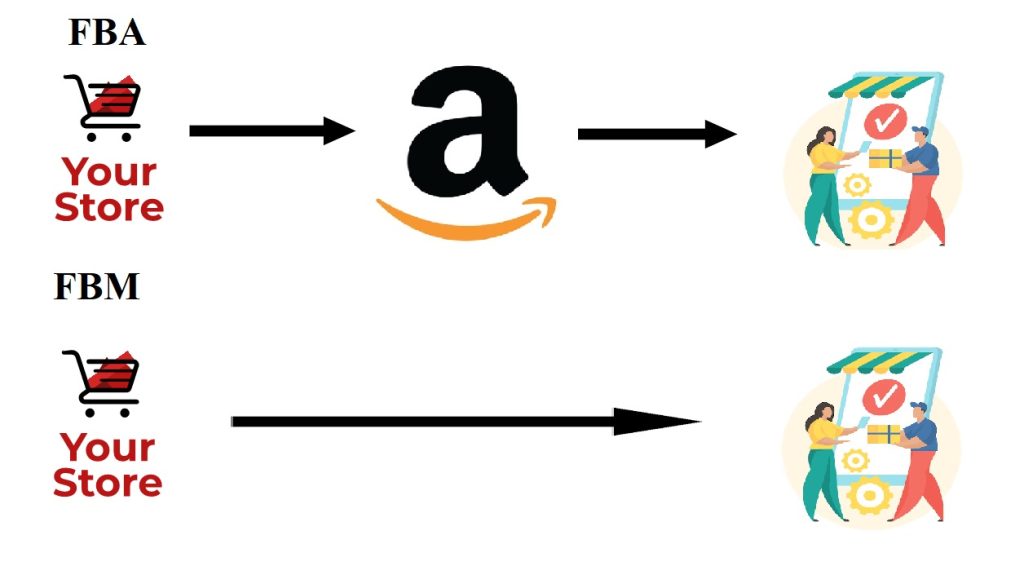
FBA remains the backbone for many brands due to fast delivery, Prime eligibility, and higher conversion rates. However, it introduces risk through inbound shipment delays, storage limits, check-in backlogs, and occasional fulfillment disruptions—especially during peak seasons.
Relying exclusively on FBA leaves brands exposed when inventory is temporarily unavailable inside Amazon’s network.
Merchant Fulfilled Network (FBM)
Merchant fulfillment gives sellers direct control over inventory and shipping. When used strategically, FBM serves as an essential safety net for FBA.
FBM allows listings to remain active when FBA inventory runs out, preserves sales history and organic ranking, and provides flexibility to ship from multiple locations or partners.
Many experienced sellers maintain both FBA and FBM offers on the same listing so that sales continue uninterrupted.
Using FBM as a Built-In Backup for FBA
One of the most effective ways to prevent stockouts is to run parallel FBA and FBM offers on the same ASIN. This ensures that if FBA inventory hits zero, the FBM offer automatically takes over.
Best practices include pricing FBM slightly higher to prioritize FBA when available, keeping a limited but reliable FBM buffer inventory, and monitoring performance closely during transitions. This approach protects rankings and customer visibility without requiring emergency shipping costs.
Adding a Third-Party Logistics Partner (3PL)
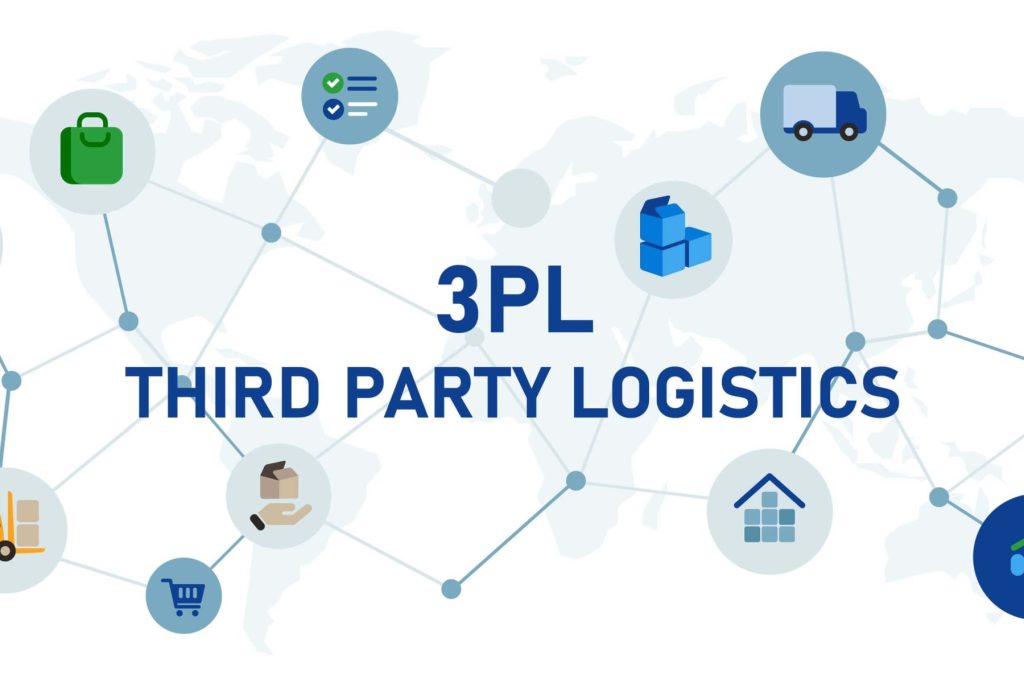
A reliable third-party logistics provider adds a powerful layer of protection. 3PLs allow brands to store inventory outside Amazon, ship orders for FBM or direct-to-consumer sales, and replenish FBA inventory quickly when needed.
Key advantages of using a 3PL as a backup channel include geographic diversification, faster response times during demand spikes, and reduced dependence on a single warehouse or carrier.
For growing brands, a 3PL often becomes the operational bridge between marketplaces.
Using Direct-to-Consumer Infrastructure as a Safety Net
Even if marketplaces generate the majority of revenue, maintaining a direct-to-consumer channel offers strategic flexibility. A DTC setup allows brands to reroute inventory when marketplaces face restrictions, policy changes, or fulfillment slowdowns.
With proper inventory syncing, brands can shift volume between marketplace and direct channels without losing visibility into stock levels. This flexibility is especially valuable during high-demand periods or supply chain disruptions.
Expanding to Secondary Marketplaces
Adding additional marketplaces provides diversification beyond Amazon alone. Platforms such as Walmart Marketplace allow brands to distribute inventory across multiple fulfillment networks, reducing congestion risk and creating additional revenue streams.
Secondary marketplaces can also function as reserve channels, allowing inventory to be redirected or liquidated strategically if demand patterns shift.
Forecasting and Inventory Buffer Planning
Backup fulfillment only works when inventory is planned intentionally. Brands should avoid pooling all inventory into a single channel and instead maintain deliberate safety stock across fulfillment paths.
Effective forecasting includes planning for worst-case lead times, adjusting reorder points ahead of seasonal demand, and separating inventory allocations for FBA, FBM, and external fulfillment partners. This approach prevents one channel’s disruption from impacting the entire business.
Monitoring and Automation to Prevent Gaps
Automation plays a critical role in managing multiple fulfillment channels. Inventory alerts, automated repricing rules, and channel-based thresholds help prevent gaps before they occur.
Brands that monitor inventory daily and act proactively are far less likely to experience damaging stockouts than those reacting after listings go inactive.
Final Thoughts: Fulfillment Redundancy Is a Growth Strategy
Backup fulfillment channels are not just an emergency solution—they are a strategic advantage. Brands that build redundancy into their fulfillment operations are better positioned to scale, adapt, and protect revenue in an unpredictable environment.
By combining FBA, FBM, third-party logistics, and multi-channel planning, brands create systems that support consistent growth rather than reactive firefighting.