Using Brand Story Modules to Strengthen Customer Loyalty
January 6, 2026
Using Brand Story Modules to Strengthen Customer Loyalty
In an increasingly competitive marketplace, price and product alone are no longer enough to win repeat customers. Today’s shoppers want to connect with brands, understand their values, and feel confident about who they’re buying from. This is where Brand Story modules—especially within Amazon A+ Content—play a critical role in building trust, emotional connection, and long-term customer loyalty.
When used strategically, Brand Story modules help transform a transactional purchase into a relationship, reinforcing why customers should return to your brand again and again.
What Are Brand Story Modules—and Why They Matter
Brand Story modules are a dedicated section within A+ Content that allow brands to visually and narratively communicate who they are, what they stand for, and how their product ecosystem fits into a customer’s life. Unlike traditional bullet points or feature callouts, Brand Story content focuses on identity, credibility, and cohesion.
Well-structured Brand Story content can improve conversion rates, reduce returns, and increase time spent on product detail pages—key indicators of customer confidence and engagement.
More importantly, Brand Story modules allow you to:
Reinforce brand values and mission
Establish legitimacy and professionalism
Cross-introduce your product line
Create emotional continuity across ASINs
How Brand Story Modules Drive Customer Loyalty
1. They Build Trust at Scale
Trust is the foundation of loyalty. A well-executed Brand Story reassures customers that your brand is intentional, consistent, and invested in quality—not just focused on selling a single product.
By clearly explaining your brand’s philosophy, standards, or design approach, you reduce uncertainty at the moment of purchase. This clarity is especially important in crowded categories where customers are comparing similar items and looking for reassurance before committing.
2. They Create Emotional Differentiation
Most shoppers compare multiple listings side by side. When features and pricing are similar, emotion becomes the deciding factor.
Brand Story modules allow you to communicate:
Why your brand exists
Who your products are designed for
What problem your brand consistently solves
This emotional layer makes your brand memorable—so when customers need a refill, replacement, or related item, they search for your brand specifically rather than starting over with a generic product search.
3. They Encourage Repeat Purchases Through Brand Ecosystems
One of the most underutilized advantages of Brand Story modules is their ability to visually introduce customers to your broader product assortment.
Instead of relying solely on automated recommendations, Brand Story tiles can:
Introduce complementary products
Highlight collections or coordinated items
Reinforce consistent quality across your catalog
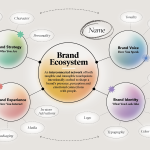
When customers understand how products fit together within a unified brand system, they are far more likely to make repeat purchases and explore additional SKUs.
Best Practices for High-Performing Brand Story Modules
To maximize both conversion and loyalty, Brand Story modules should be intentional—not decorative.
Focus on These Core Elements:
Clear Brand Promise: What customers can always expect from you
Visual Consistency: Fonts, colors, and imagery aligned with packaging and storefronts
Customer-Centric Language: Speak to outcomes and benefits, not internal brand achievements
Product Discovery Paths: Make it easy for customers to see what to buy next
Avoid Common Mistakes:
Repeating product features already listed elsewhere
Overloading text instead of letting visuals carry the message
Writing founder-focused stories instead of customer-focused narratives
Treating Brand Story content as optional or static
SEO Benefits You Shouldn’t Overlook
While Brand Story modules do not function like traditional keyword fields, they support SEO performance indirectly by improving behavioral signals that marketplace algorithms value:
Higher conversion rates
Longer page engagement
Increased brand-name searches
Improved repeat purchase behavior
Over time, these signals strengthen listing authority and brand relevance—especially important in competitive categories or replenishable product lines.
Measuring the Impact on Customer Loyalty
To evaluate whether your Brand Story modules are working, track:
Repeat purchase rates
New-to-brand versus returning customer trends
Cross-ASIN engagement within your catalog
Review language referencing trust, consistency, or brand experience
Brand storytelling typically delivers results over time. Rather than creating immediate spikes, it compounds loyalty and lifetime value—making it a strategic investment, not a short-term tactic.
Final Takeaway
Brand Story modules are not about telling customers how great your brand is—they are about showing customers why they should stay with you.
When thoughtfully designed, they strengthen credibility, encourage repeat buying, and turn individual listings into a connected brand experience. For sellers focused on sustainable growth—not just quick wins—Brand Story modules are one of the most powerful tools available.
If you want your brand to be remembered, trusted, and chosen again, your story deserves as much strategy as your keywords.